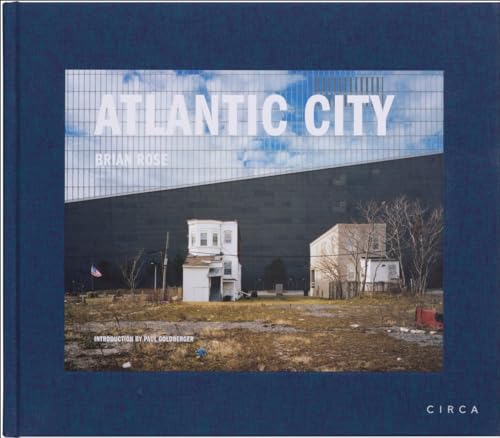


Atlantic City
Luxury Vacation Rentals for Atlantic City Travelers
Description
From the beginning, Atlantic City was a playground by the sea. For decades, the working class flocked to its beachfront hotels, boardwalk promenade, and entertainment piers, a theme park resort where a wholesome veneer thinly masked less virtuous attractions, and belied the political corruption at the heart of the enterprise. In the growing affluence of post-war America, a more mobile public discovered other vacation destinations, and Atlantic City's sheen faded and its fantasy architecture decayed. In the 1970s, city leaders and urban planners were lured by the promise of casino gambling to save the city and restore its lost glamor, and it worked – for a while.
However, it's not that Atlantic City is a ghost town – far from it – but its now blank walls and parking lots have a ghostly way of hiding the humans from each other. Photographer Brian Rose turned his lens in this photo essay to document the tales of Atlantic City's faded luster. In fact, the biggest people you will find are the models on the walls from the advertisements for the now-closed casinos. Atlantic City still has the Boardwalk, but if Monopoly were invented today, it would need a new category of property called the empty lot. Rose's photography depicts these voids in the forlorn city.
In May, Trump told the New York Times about his 25 years in Atlantic City: "The money I took out of there was incredible." It's the only thing he has to say of his now-destroyed hometown. He came, he took, and he left. And, as Arielle Brousse of The Washington Post wrote, "he's not coming back for us."
The closure of the sprawling Boardwalk casino, with its soaring domes, minarets, and towers built to mimic the famed Indian historic site, cost nearly 3,000 workers their jobs, bringing the total jobs lost by Atlantic City casino closings to 11,000 since 2014, according to Wayne Parry of the Associated Press.
As Brian Rose stepped down to the beach across from the Trump Taj Mahal, he encountered a half-dozen stray cats lounging about as if they owned the place. And, in a sense, they did. The Boardwalk Cats Project feeds and tends the 150 or so spayed and neutered cats. Atlantic City may be bankrupt along with many of its casinos, but the cats are doing fine.
Atlantic City is a dramatic symbol of American excess and decline. Once the most popular family vacation destination in the United States, the city has slid into a dystopian version of its former self, with beachfront property plummeting amid vacant lots and deserted high-rise hotels garishly positioned against the coastal backdrop, as Nowness reported in March 2017.
product information:
| Attribute | Value | ||||
|---|---|---|---|---|---|
| publisher | Circa Press (March 18, 2019) | ||||
| language | English | ||||
| hardcover | 128 pages | ||||
| isbn_10 | 1911422197 | ||||
| isbn_13 | 978-1911422198 | ||||
| item_weight | 2.76 pounds | ||||
| dimensions | 10.48 x 0.75 x 12.15 inches | ||||
| best_sellers_rank | #520,721 in Books (See Top 100 in Books) #143 in City Photography #192 in City Planning & Urban Development #234 in Urban Planning and Development | ||||
| customer_reviews |
|